
We believe you deserve to know what your care will cost before you begin treatment. That’s why we provide clear, upfront estimates for your total treatment costs.
As an outpatient clinic, we’re able to keep your costs lower than hospital-affiliated clinics, where care is often billed as “inpatient” and can be two to three times more expensive for the same services.
If you have questions about your estimate or want to compare costs, our team is here to help you make informed decisions about your care.
Sally’s Insurance Plan Example

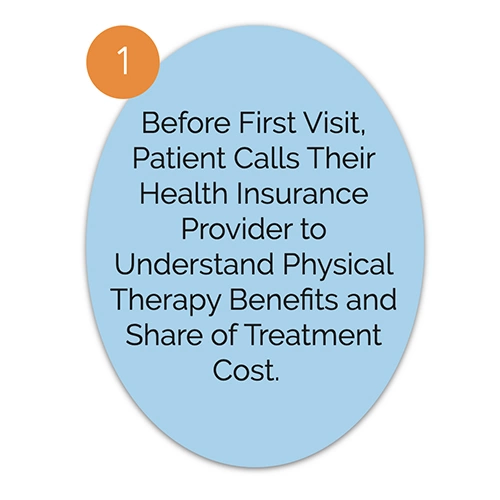
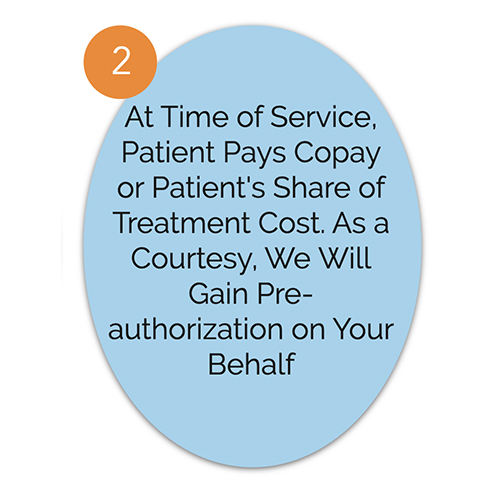
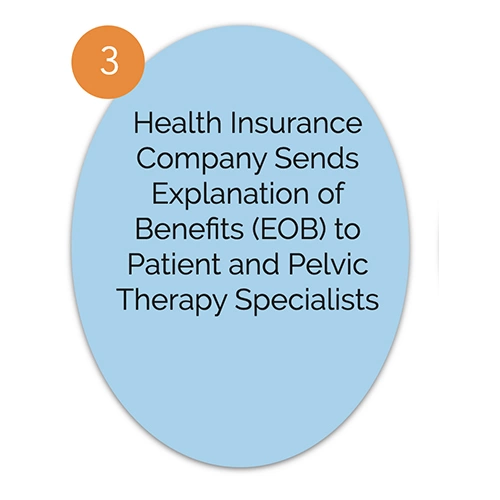
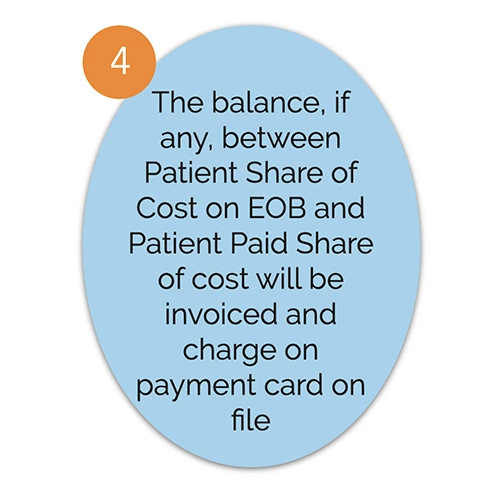
An in-network provider is a healthcare professional or facility that has a contract with an insurance company to provide treatment at set negotiated rates. We may be an in-network provider with your insurance company (see partners above).
Collect the entire payment from the patient and provide superbill for the patient to submit in order to receive reimbursement. The terms “cash-based provider” and “out-of-network provider” are often used interchangeably. However, out-of-network providers are always credentialed—and therefore recognized by the insurance company.
Pre-certification is the process of obtaining eligibility, certification and/or authorization from your health insurance plan prior to admission and receiving treatment. Failure to obtain pre-certification from certain providers can result in additional costs to the patient.
The amount you owe for covered services, per policy period, before your health plan begins to pay.
We accept health savings account (HSA) or flexible spending account (FSA) cards as a form of payment, and we are also proud Medicare and Tricare providers.
An out-of-network provider is a healthcare professional or facility that is credentialed with but has no contractual agreement to charge a specific rate with an insurance company. The insurance company recognizes the provider as being a legitimate medical professional—it knows things like the provider’s name, national provider identification (NPI) number, professional license number.
If you have no health insurance plan.
A fixed amount you pay for a covered health care service, usually when you receive the service. Your co-payment is counted towards the total cost of care.
The most amount of money you will pay during a policy period before your health plan begins to pay 100% of the allowed amount.







Our clinic serves all of the Denver metro area, including: Boulder, Louisville, Superior, Lafayette, Longmont, Arvada, Westminster, Thornton, Brighton, Erie, Frederick, Firestone, North Denver, Northglenn, Broomfield, Golden, Wheat Ridge, Lyons, Lakewood, Dacono, and Commerce City
