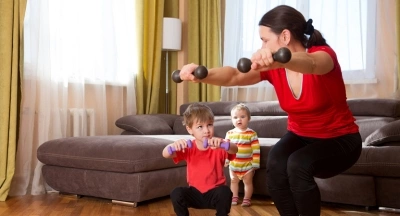
Now that we’ve cleared up some of the popular myths about returning to running post-partum, let’s discuss some early exercises you can begin to do to work on pelvic floor strength, core strength, lower extremity strength and over all mobility.
IMPORTANT NOTE: These exercises should not begin until you’ve had your 6-week post-partum check up with your OBGYN to make sure you’ve properly healed. Ideally, you would be assessed by a physical therapist prior to beginning these exercises to ensure that you are appropriate to perform these movements and that you are performing them correctly.
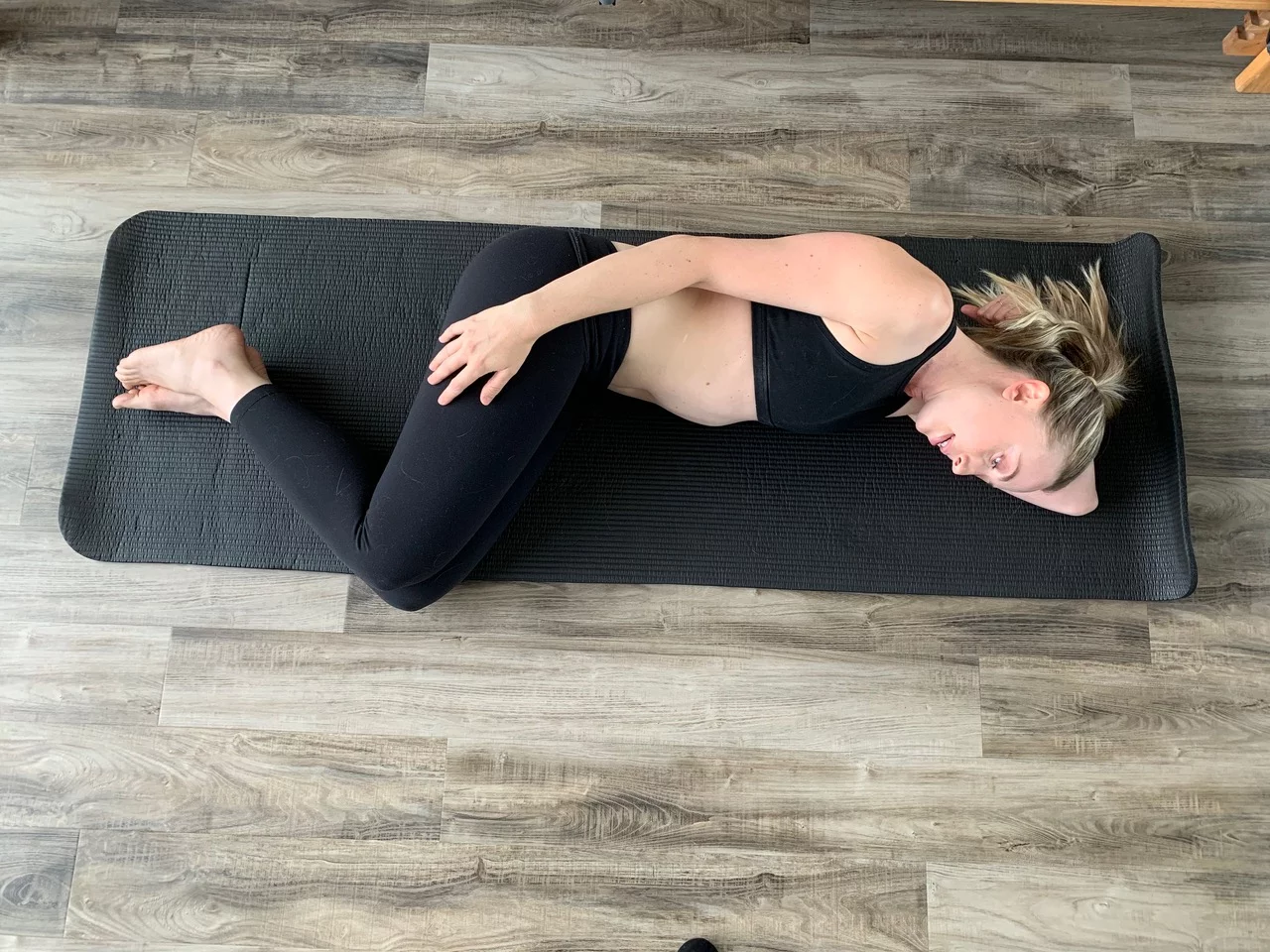
Exercise 1 – Isolated Transversus Abdominus and Pelvic Floor Recruitment in sidelying and in quadruped (on all 4’s)
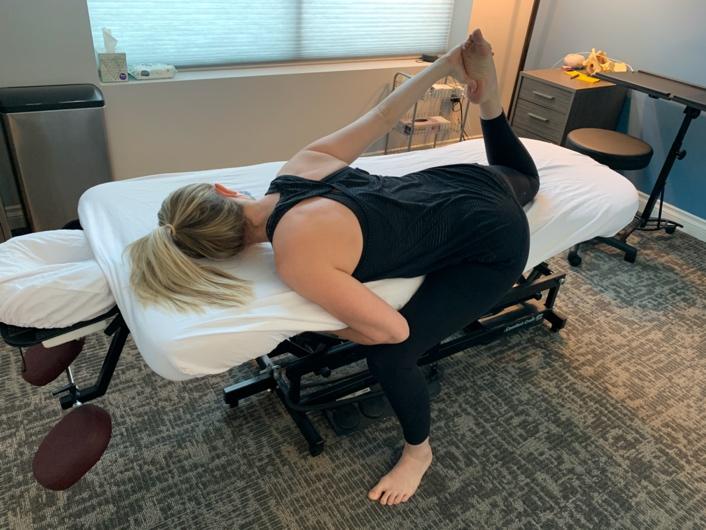
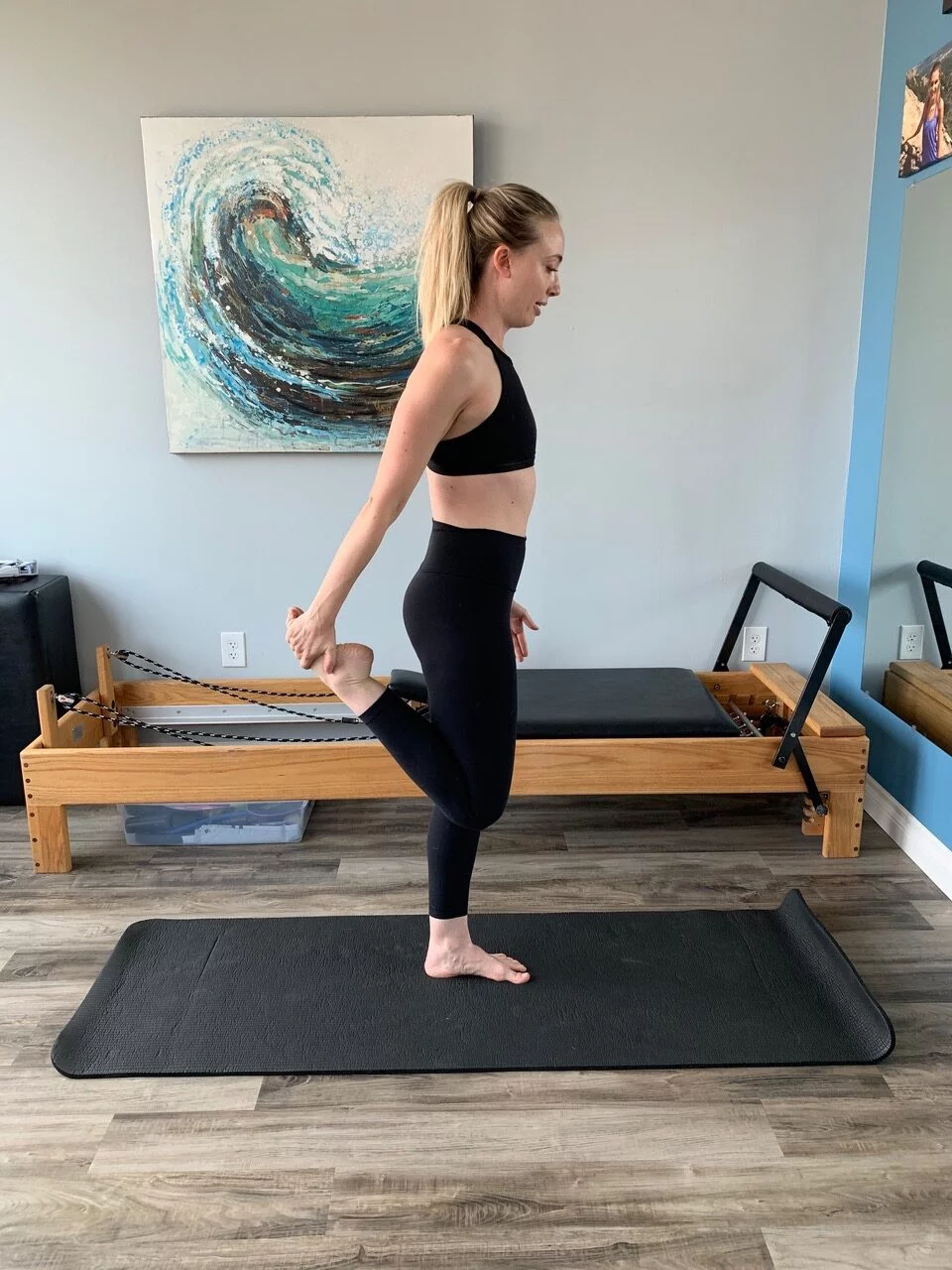
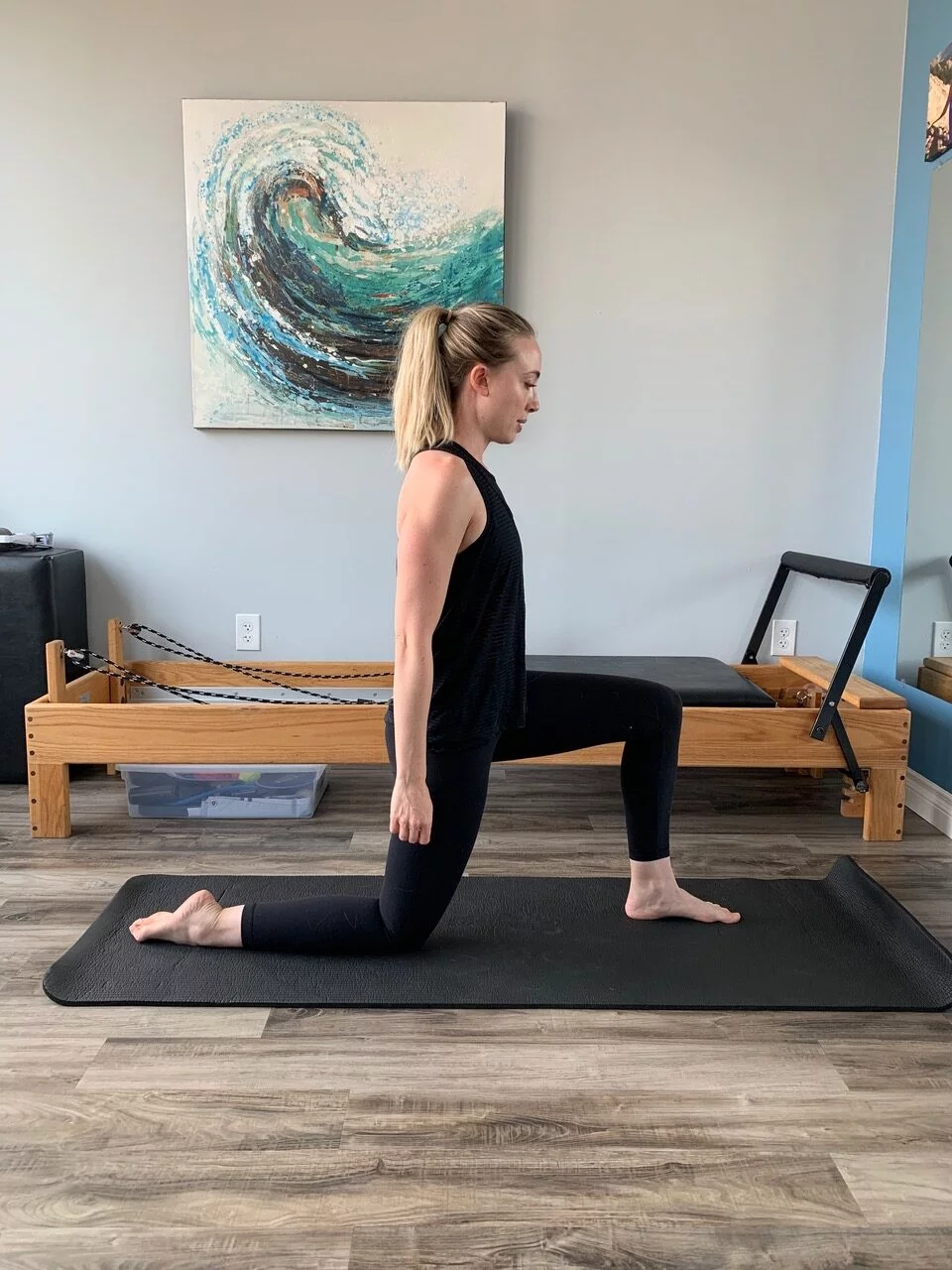
Exercise 2 – Hip flexor stretching (3 ways)
During pregnancy the hip flexors can get really tight or shortened due to changes in posture. As your belly grows it causes you to arch more in your back which can cause shortening of the hip flexor muscles. There are lots of different ways to stretch your hip flexors. Here are a few stretches to try:
1. Lunge hip flexor stretch on bed
2. Standing quad stretch
3. Half kneeling hip flexor stretch
Exercise 3 – Thoracic spine mobility (3 ways)
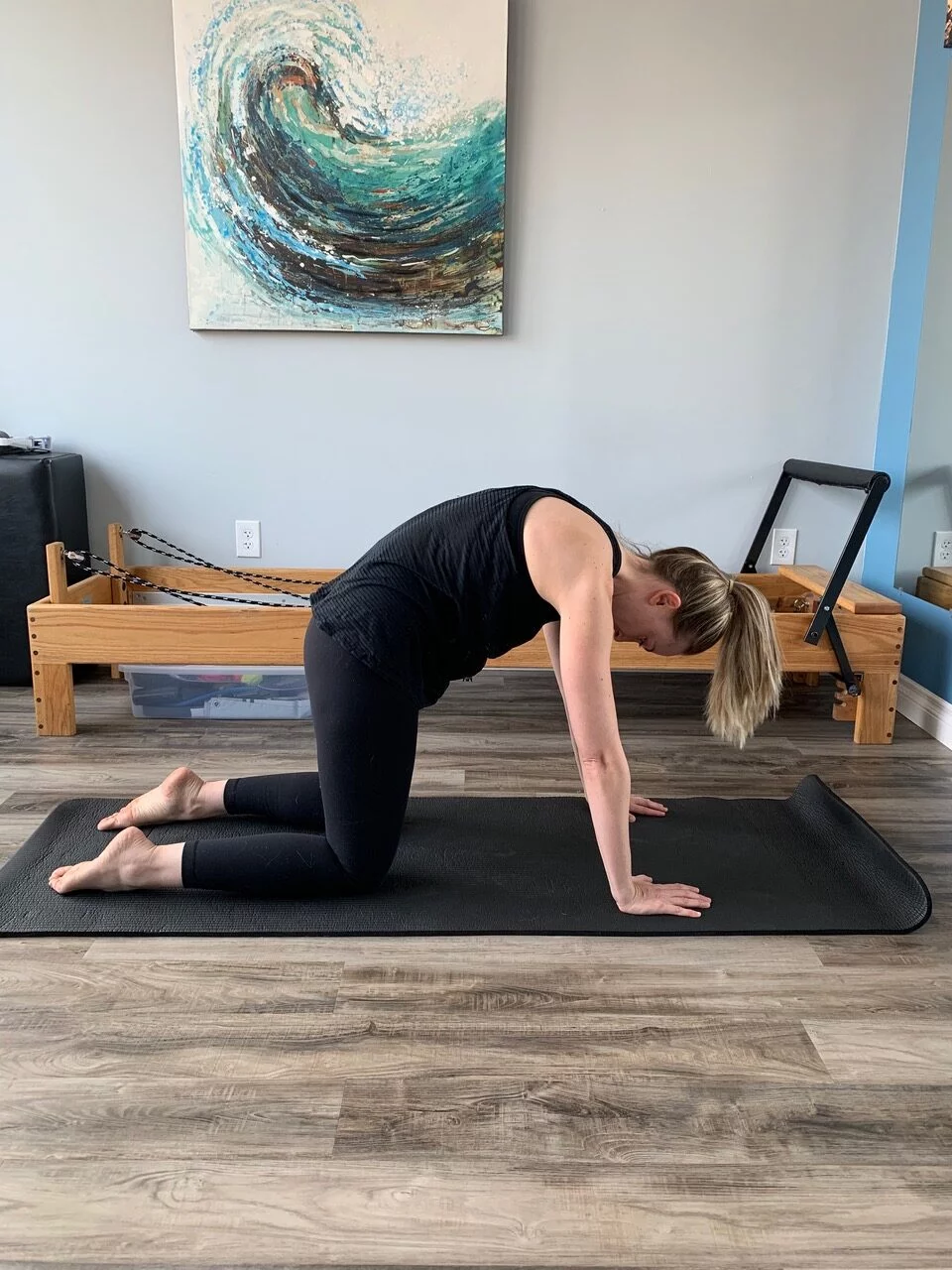
The thoracic spine can get really stiff from breast feeding. Mobility through this part of your spine is very important with return to running to ensure you have full mobility when it comes to rotating and breathing. Using a foam roller can also be very helpful, but I find that immediately post-partum, many patients are too weak in their core to assume the proper position. Here are some other options:
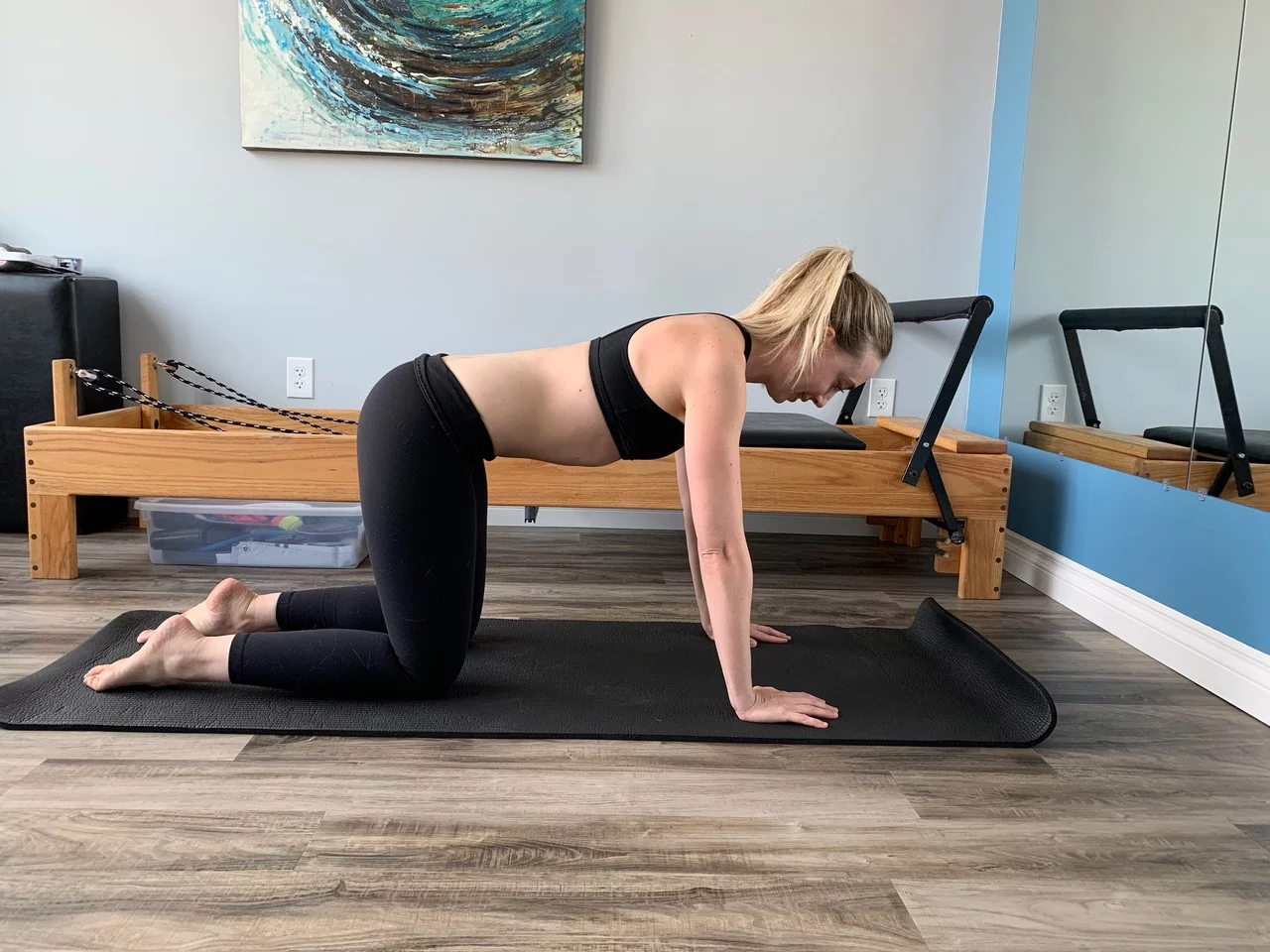
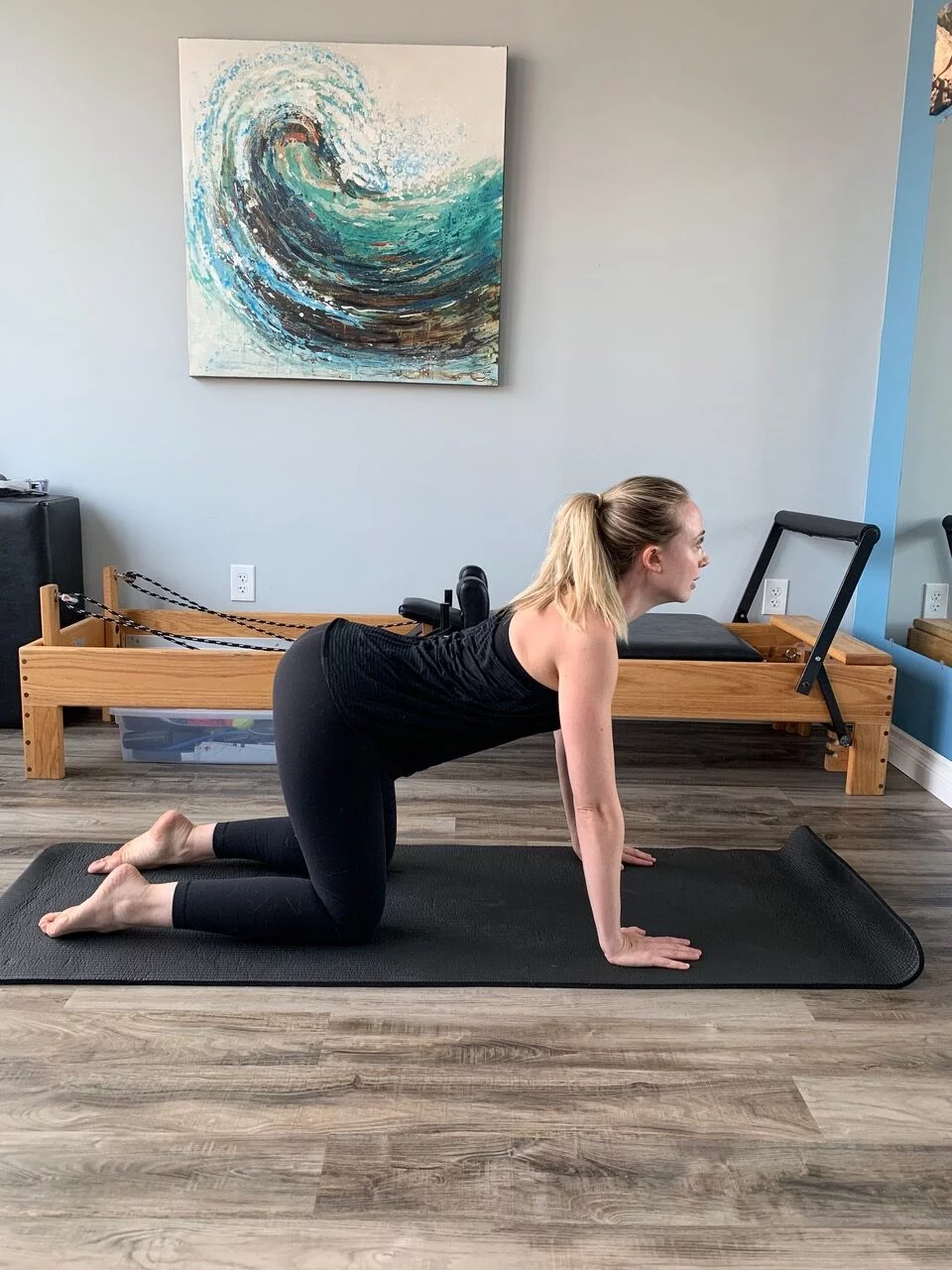
1. Cat-Cow
On hands and knees, transition between arching your back and rounding your back to begin to mobilize through the area between the shoulder blade
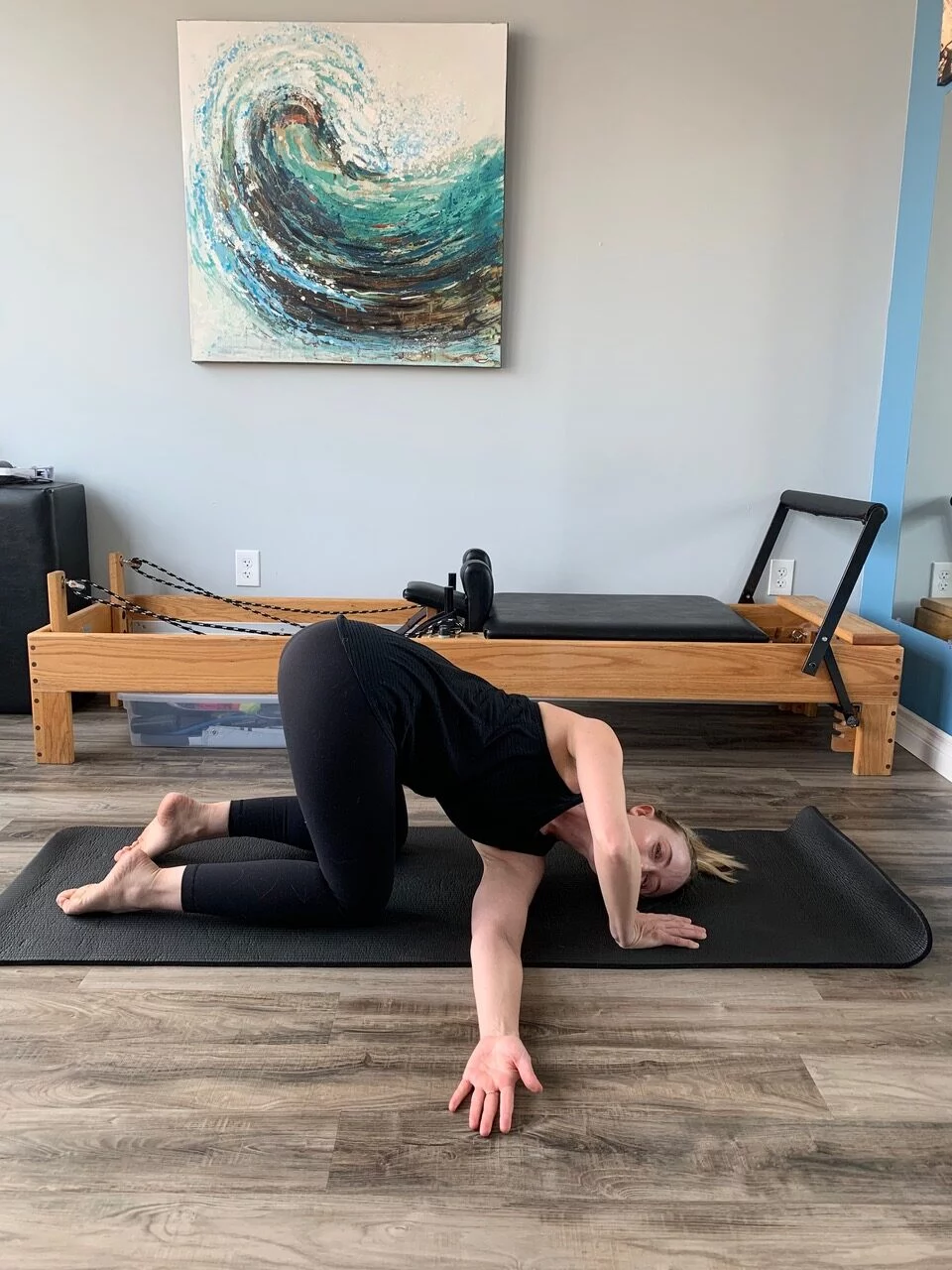
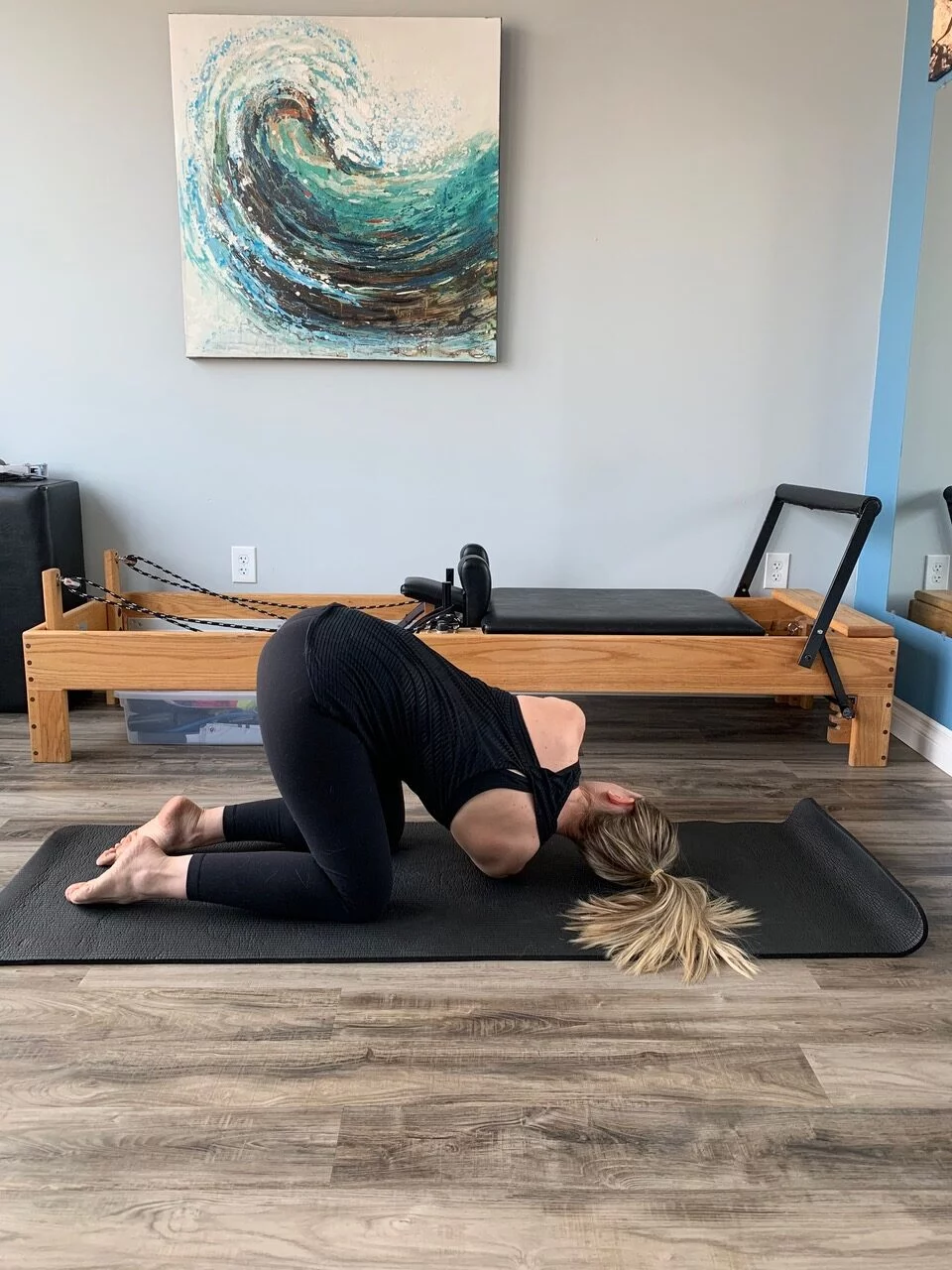
2. Thread the Needle
On hands and knees, reach through the other arm as you attempt to get your shoulder on the ground. Come back to hands and knees and try on the other side.
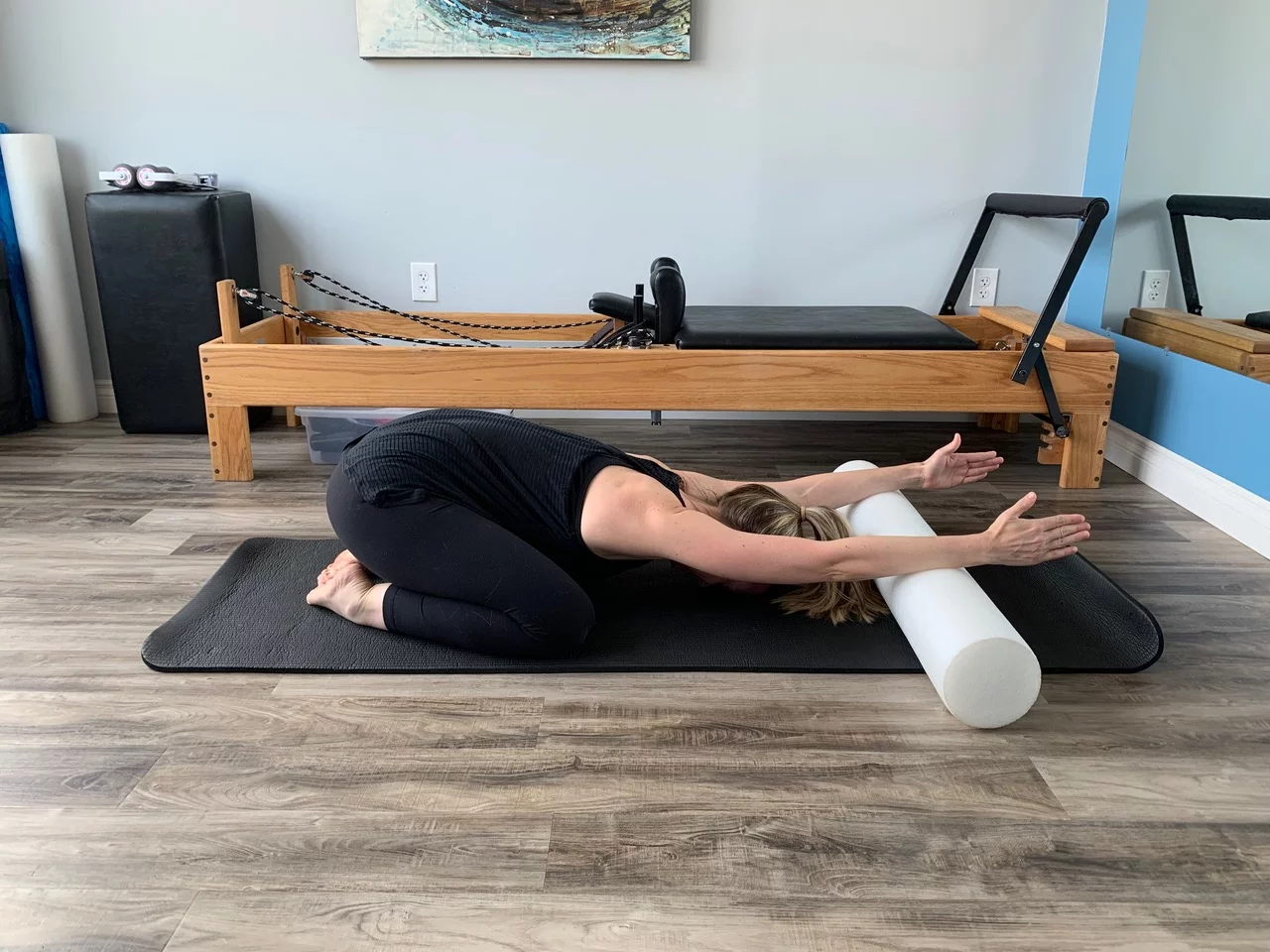
3. Child’s Pose with Foam Roller
Exercise 4 – Quadruped Core (working towards a plank)
A lot of new moms are eager to get back into core strengthening, but it is extremely important that you are able to do it correctly. Signs of a core exercise being too difficult are needing to hold your breath, doming in the abdomen, loosing lower abdominal recruitment, experiencing urinary incontinence or pain/discomfort somewhere else during or after the exercise.
If you can perform exercise 1 correctly, then you may be ready to add some additional challenges. Here are some variations of core exercises that will prepare you for a plank.
1. Quadruped shoulder tap
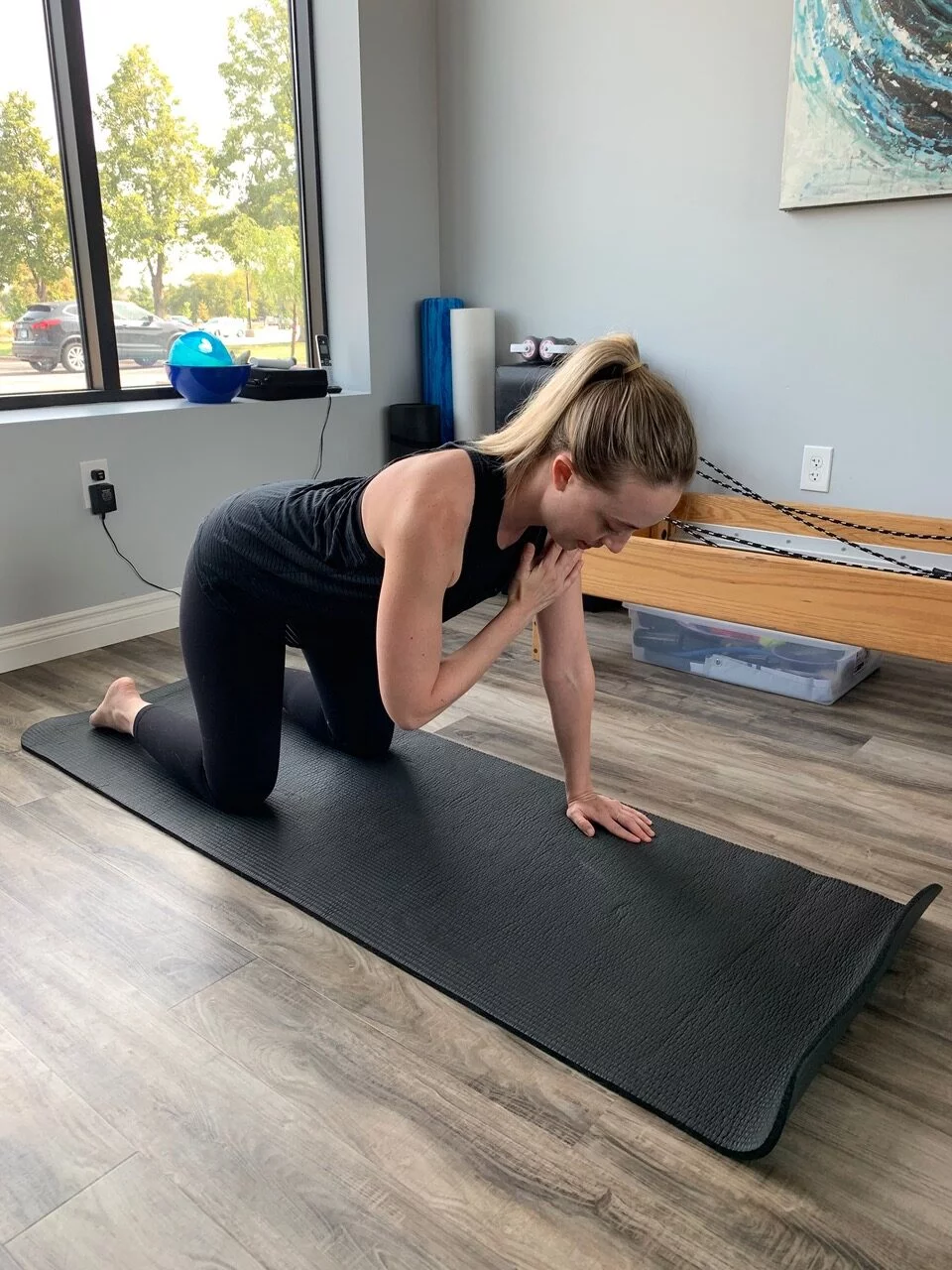
2. Quadruped forward weight shift
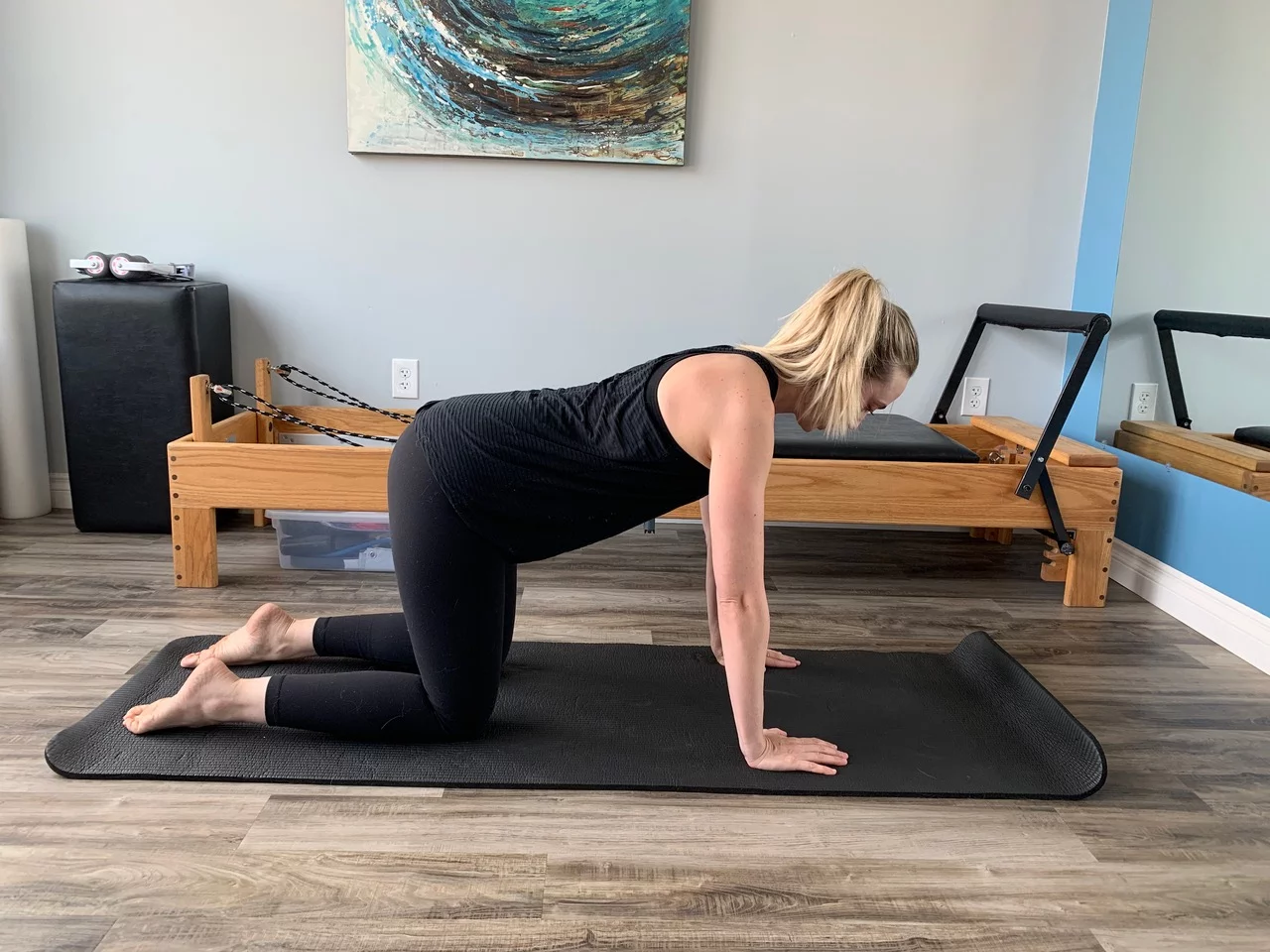
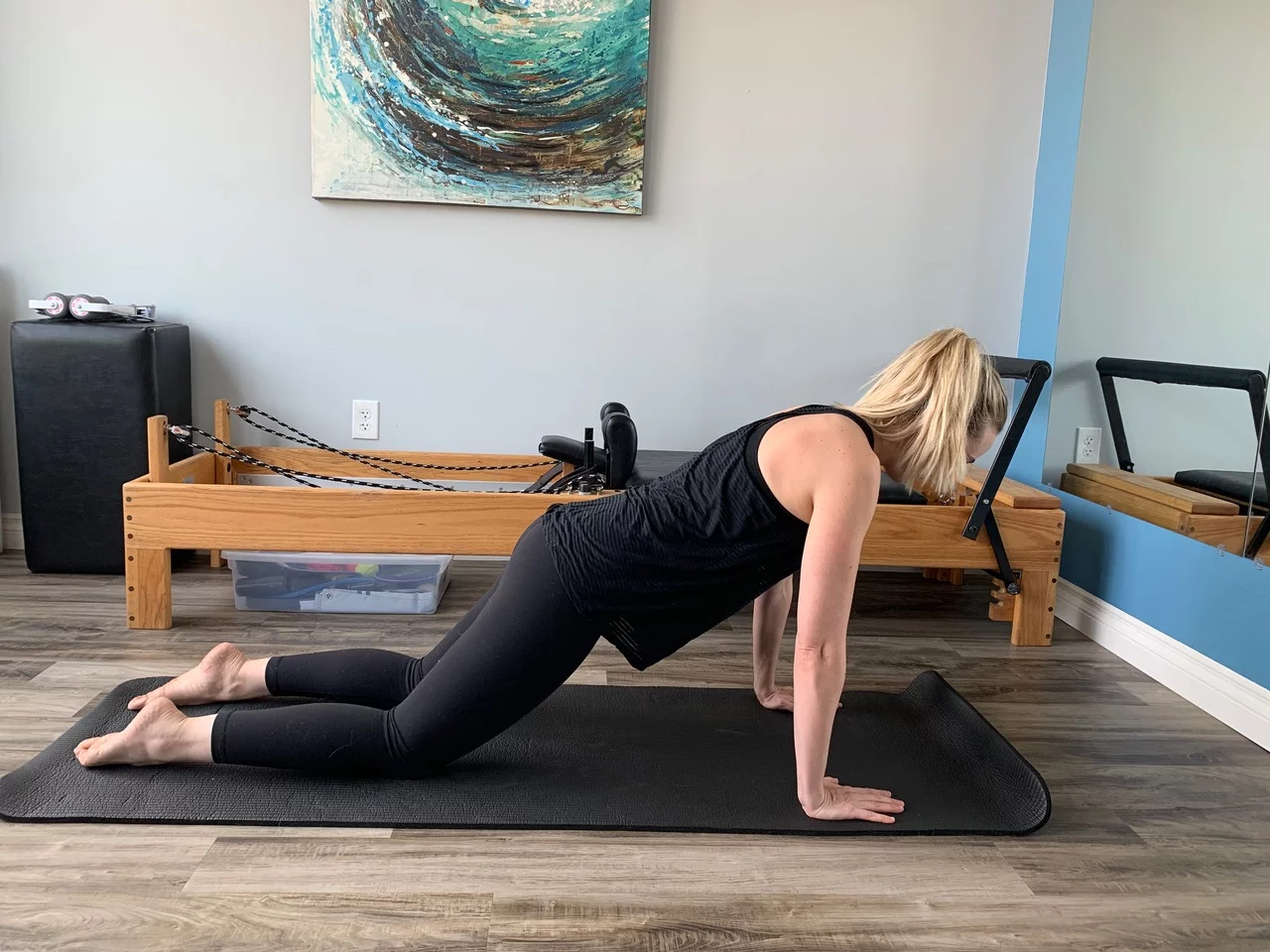
On all 4’s, engage your core by squeezing your pelvic floor. Shift forward slightly into a modified plank and then back. It is important to note that you are shifting from the shoulders/hips and that your torso is staying straight. As you get stronger you can shift further forward into a plank.
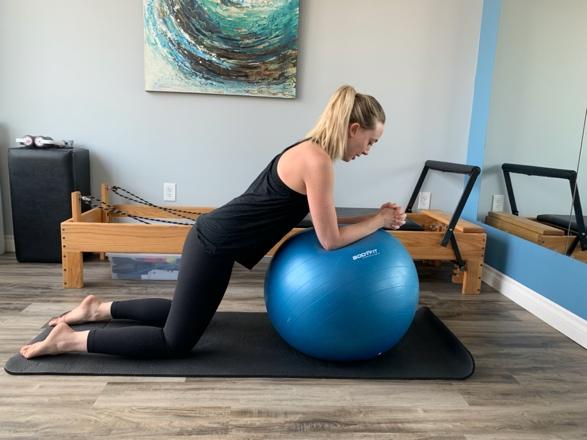
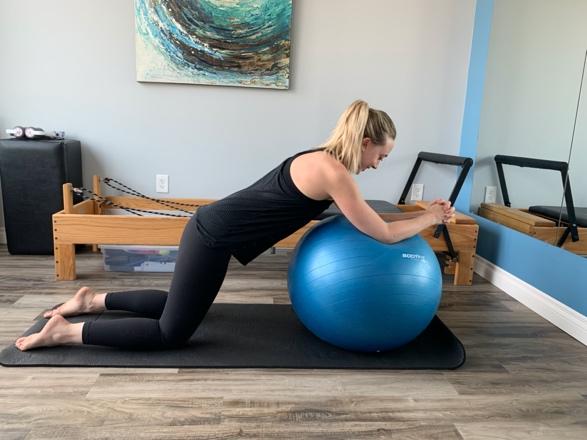
3. Quadrupled Forward Weight Shift on Ball
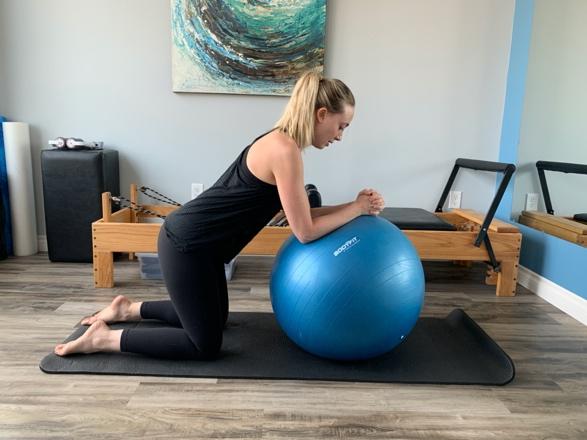
On your knees with your forearms on a large swiss ball, engage the core by squezzing the pelvic floor. Hold this as you shift forward from the hips and return to the start position. If this feels easy then you can add a challenge by shifting forward at the arms as well.
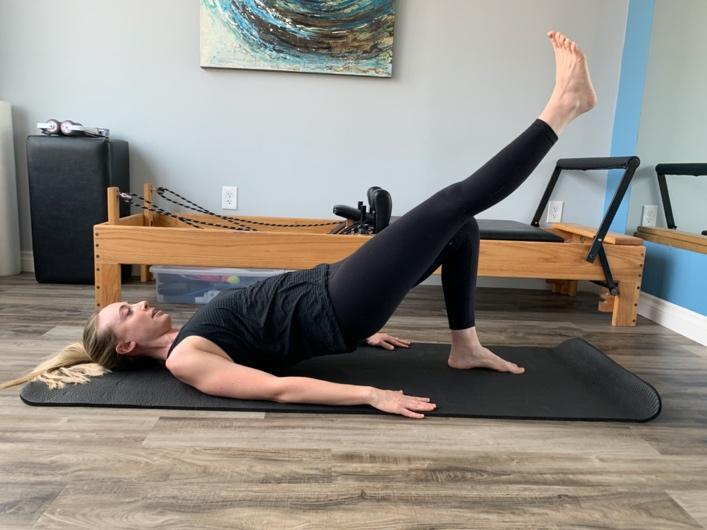
Exercise 5 – Bridge (3 ways)
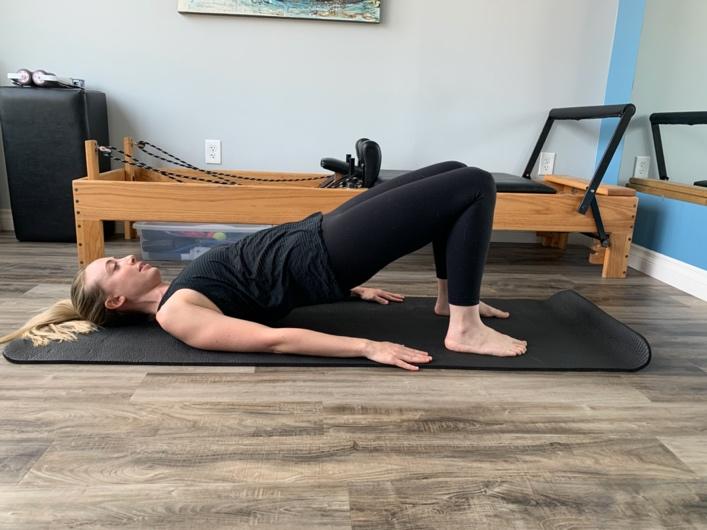
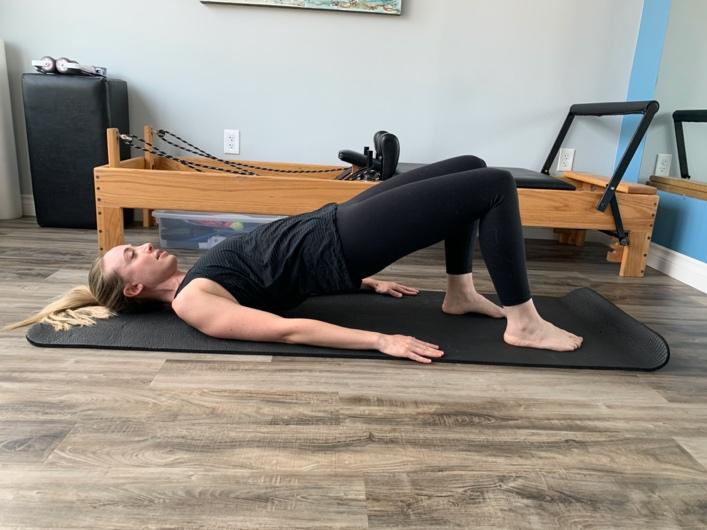
Glut strengthening is extremely important with return to running. Your body requires adequate strength in the glute muscles to stabilize the pelvis during single limb stance. Here are a couple of exercises to get you started.
1. Basic Bridge
2. Split Stance Bridge
3. Single Leg Bridge